Cannabinoids. Much more than CBD & THC
THC & CBD have many, many friends...
Cannabis in all its forms is making big waves in our world right now. As of today there are only 6 states left that have "CBD only" as their status. Some states have implemented medical programs, some have decriminalized, some have passed recreational programs, etc. No matter what your stance is on the matter, one thing is very clear... Cannabis is here to stay.
I have a very strong stance on this that I can sum up in 3 words Cannabis. Is. Medicine. My life, along with many many other people in my circle have been literally saved by this sacred plant and that leaves me with a strong, strong desire to educate. In this article, we are going to take a look at not only, CBD & THC (The most known and popular of the cannabinoids) but also, the most studied minor cannabinoids. I will attach a comprehensive list of known cannabinoids at the end of this article.
First off, what are cannabinoids?
Cannabinoids are a class of molecules that interact with the body's Endocannabinoid System (ECS). The ECS helps the body maintain homeostasis (functional balance) through it's messenger molecules that our bodies synthesize that then bind to the endocannabinoid receptors on nearly every cell type in our bodies. They mimic the chemicals our brain naturally produces by plugging in to the same receptors. There are 3 types of cannabinoids (Phytocannabinoids, Endocannabinoids, Synthetic Cannabinoids). The main thing to take away from this is that synthetic cannabinoids can be very dangerous.
What are other cannabinoids besides THC & CBD?
THC & CBD are indeed the most abundant cannabinoids in the cannabis plant but there are other cannabinoids in this sacred plant that have a wonderful impact on our bodies as well. We are just going to talk in depth about a few of these lesser known cannabinoids.
CBGA: CBGA (Cannabigerolic acid) is the known as the "mother of all cannabinoids". CBGA gives birth to CBDA, THCA & CBCA through an enzymatic reaction in the trichomes of the plant. There is precious little research into this cannabinoid but some research is suggesting positive applications in conditions such as: cardiovascular disease, colon cancer, & certain metabolic disorders.
THCA: THCA (tetrahydrocannabinolic acid) is the acid form of THC. THCA converts to THC through a process called decarboxylation . Research into THCA as well as many of these other cannabinoids is in it's infancy, but the results so far have been very encouraging. THCA is found in living and raw cannabis and is non-intoxicating in this form. As the plant dries this acid form is converted to THC. When heat is applied (smoking, vaporizing, cooking for edibles, etc.) this process is expedited. If you are wanting to consume the highest amount of THCA, you are looking for raw cannabis that has been freshly harvested. It can be used in smoothies, juices, salads, etc.
Some of the benefits that are currently being studied are as follows:
- Anti-inflammatory properties for treatment of arthritis and lupus
- Neuroprotective properties for treatment of neurodegenerative diseases
- Anti-emetic properties for treatment of nausea and appetite loss
- Anti-proliferative properties noted in studies of prostate cancer
CBDA: CBDA (Cannabidiolic acid) is the acid form of CBD. CBDA converts to CBD through a process called decarboxilation. CBDA is found in living and raw cannabis and is non-intoxicating in this form. As the plant dries this acid form is converted to CBD. When heat is applied (smoking, vaporizing, cooking for edibles, etc.) this process is expedited. Most of the research into cannabinoids has been widely focused on the non-acidic forms however, research is growing on its benefits & medical applications. Research into CBDA for depression has been very promising. Early studies are showing that CBDA can be used for anxiety, depression, & even epilepsy at lower doses than required of CBD for these same ailments.
CBCA: CBCA (Cannabichromenic acid) is the acid form of CBC. CBCA converts to CBC through a process called decarboxilation. CBCA is found in living and raw cannabis and is non-intoxicating in this form. As the plant dries this acid form is converted to CBC. When heat is applied (smoking, vaporizing, cooking for edibles, etc.) this process is expedited. Again with this cannabinoid, research is minimal but the research that is there is extremely promising. CBC is truly showing up and showing out in cancer research & it only seems to be getting better
CBNA: CBNA (Cannabinolic acid) is the acid form of CBN. CBN is produced when THCA is exposed to oxygen and/or UV light. CBNA converts to CBN in a process called decarboxylation. CBNA & CBN are nicknamed the "sleep" cannabinoid because of it's wonderful sedative effects. Many people report that they are able to get restful sleep without the grogginess associated with common sleep aids.
People enjoy raw cannabis by:
- mixing it into dressings, salads & garnishing food
- juicing
- mixing into smoothies
It seems like we have covered a lot of ground, but the truth is we haven't even scratched the surface of this sacred plant and its mission to heal.
Below is a list of known major and minor cannabinoids (Source: cheefbotanicals.com)
Cannabicyclols
- Cannabicyclolic acid (CBLA)
- Cannabicyclol (CBL)
- Cannabicyclovarin (CBLV)
Cannabichromenes
- Cannabichromene (CBC)
- Cannabichromevarinic acid (CBCVA)
- Cannabichromenic acid (CBCA)
- Cannabichromevarin (CBCV)
Cannabielsoins
- Cannabielsoin (CBE)
- Cannabielsoin acid A (CBEA-A)
- Cannabielsoic acid B (CBEA-B)
Cannabitriols
- 10-Ethoxy-9-hydroxy-delta-6a-tetrahydrocannabinol
- 8,9-Dihydroxy-delta-6a-tetrahydrocannabinol
- Cannabitriol (CBT)
- Cannabitriolvarin (CBTV)
Cannabidiols
- Cannabidiol (CBD)
- Cannabidiol monomethylether (CBDM)
- Cannabidiolic acid (CBDA)
- Cannabidivarinic acid (CBDVA)
- Cannabidiorcol (CBD-C1)
- Cannabidivarin (CBDV)
- Cannabidiphorol (CBDP)
Cannabigerols
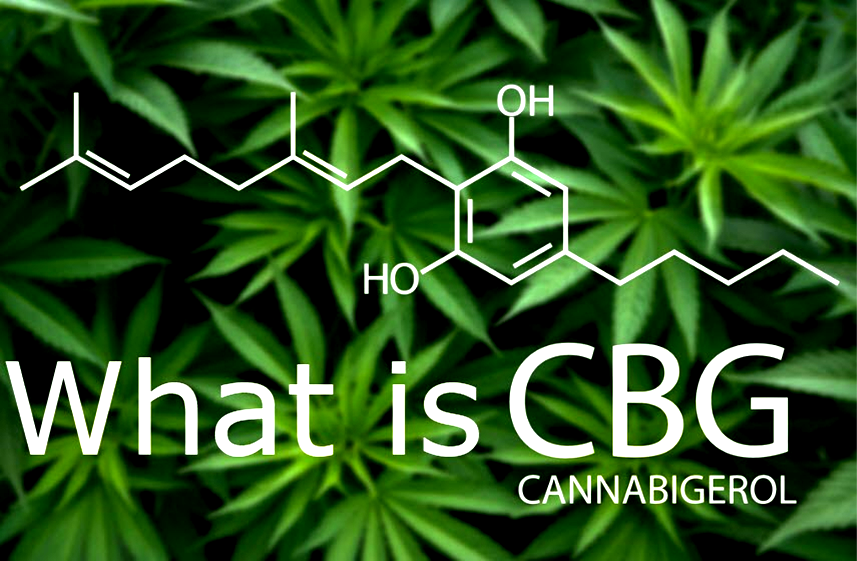
- Cannabigerol (CBG)
- Cannabigerovarin (CBGV)
- Cannabigerovarinic acid (CBGVA)
- Cannabigerol monomethylether (CBGM)
- Cannabigerolic acid monomethylether (CBGAM)
- Cannabigerolic acid (CBGA)
Cannabinols and cannabinodiols
- Cannabinolic acid (CBNA)
- Cannabinodiol (CBND)
- Cannabinodivarin (CBVD)
- Cannabinol (CBN)
- Cannabiorcool (CBN-C1)
- Cannabivarin (CBV)
- Cannabinol methylether (CBNM)
- Cannabinol-C2 (CBN-C2)
- Cannabinol-C4 (CBN-C4)
Delta-8-tetrahydrocannabinols
- Delta-8-tetrahydrocannabinol (Δ8-THC)
- Delta-8-tetrahydrocannabinolic acid (Δ8-THCA)
Delta-9-tetrahydrocannabinols
- Delta-9-tetrahydrocannabinol (THC)
- Delta-9-tetrahydrocannabinol-C4 (THC-C4)
- Delta-9-tetrahydrocannabiorcol (THC-C1)
- Delta-9-tetrahydrocannabiorcolic acid (THCA-C1)
- Delta-9-tetrahydrocannabinolic acid-C4 (THCA-C4)
- Delta-9-tetrahydrocannabivarin (THCV)
- Delta-9-tetrahydrocannabivarinic acid (THCVA)
- Delta-9-tetrahydrocannabinolic acid A (THCA-A)
- Delta-9-tetrahydrocannabinolic acid B (THCA-B)
- Delta-9-tetrahydrocannabiphorol (THCP)
Other Cannabinoids
- 10-Oxo-delta-6a-tetrahydrocannabinol (OTHC)
- Cannabichromanon (CBCF)
- Cannabifuran (CBF)
- Cannabiglendol
- Delta-9-cis-tetrahydrocannabinol (cis-THC)
- Cannbicitran (CBT)
- Dehydrocannabifuran (DCBF)
- Tryhydroxy-delta-9-tetrahydrocannabinol (triOH-THC)
- Cannabiripsol (CBR)
** These statements have not been evaluated by the Food and Drug Administration. These products are not intended to diagnose, treat, cure or prevent any disease.
Rustic Oils CBD Of Lee's Summit LLC Blog